How to Get Natural-Looking Results with Liposuction Michigan
The best liposuction results do not announce themselves. Most people are not looking for a dramatic, overly sculpted change that makes friends wonder what happened. They want their clothes to fit better, their waistline to look smoother, and stubborn areas to stop distracting them every time they get dressed. Natural-looking liposuction is about proportion, restraint, and planning. It is far less about removing as much fat as possible.
That point matters if you are researching Liposuction Michigan options. Patients often come in focused on a single spot, the lower abdomen, the flanks, the inner thighs, but the body does not work in isolated patches. One area influences the next. A surgeon who understands that will evaluate the whole silhouette, not just the bulge that bothers you most.
Natural results depend on a series of good decisions made before, during, and after surgery. The right candidate, the right amount of fat removal, the right technique, and the right recovery habits all shape the final outcome. If even one piece is off, the result can look uneven, overdone, or simply not worth the effort.
What “natural-looking” really means
A natural result does not mean no visible improvement. It means the change fits your frame. Your body should still look like your body, only more balanced.
In practice, that usually means preserving soft transitions instead of creating abrupt hollows. The abdomen should taper into the waist in a believable way. The hips and flanks should complement each other. The thighs should look slimmer without appearing carved out. A surgeon with a good eye often removes less fat than patients expect, especially in areas where aggressive suction can produce shadows, waviness, or an oddly athletic look that does not match the rest of the body.
There is also a timing issue that patients underestimate. Immediately after surgery, swelling can blur the result. At three weeks, you may look puffy. At six weeks, one side may seem slightly different from the other. At three to six months, the shape usually starts to look much more refined. Truly natural outcomes tend to reveal themselves gradually rather than all at once.
Why overcorrection is one of the biggest mistakes
Some people assume more fat removal equals a better result. It rarely works that way. Fat sits under the skin in layers, and the skin itself needs support. If too much volume is removed, the surface can look irregular, especially when sitting, bending, or standing under strong light. The problem becomes more noticeable with age, because skin naturally loses elasticity over time.
The patients who tend to be happiest long term are usually those who aim for improvement, not perfection. A flatter lower abdomen is realistic. A smoother bra line is realistic. Turning one body type into a completely different body type is not.
This is where surgical judgment matters. Experienced surgeons often stop before a patient would stop if they were making the call emotionally. That restraint is not a limitation. It is part of the artistry.
The importance of being a good candidate
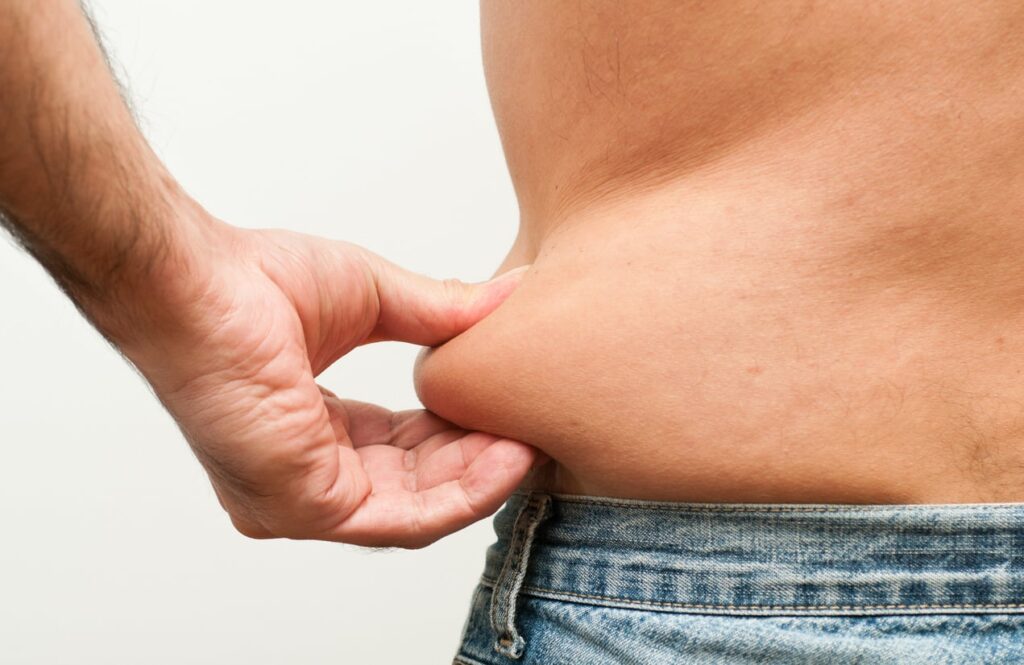
Liposuction is a contouring procedure, not a weight-loss treatment. It works best when your weight is relatively stable and the issue is localized fat that has not responded to diet and exercise. If your weight fluctuates often, the result can shift with it.
Skin quality is another major factor. Strong skin elasticity helps the treated area contract smoothly after fat removal. If the skin is already quite loose, liposuction alone may not create the polished result you want. In that setting, another procedure, such as a tummy tuck or body lift, may be more appropriate.
The strongest candidates usually share a few traits:
- They are near a sustainable weight, often within roughly 10 to 20 pounds of their goal.
- They have good skin tone or at least enough elasticity for the treated area to redrape well.
- They want shape improvement, not total transformation.
- They understand swelling, compression, and healing take time.
- They are choosing surgery for themselves, not to satisfy outside pressure.
This is one of the most important conversations to have during a consultation. A patient can be healthy, motivated, and still not be the right candidate for liposuction alone. Honest screening protects the result.
Why surgeon selection matters more than the machine
Patients often ask about the latest device first. Laser-assisted, ultrasound-assisted, power-assisted, awake lipo, high-definition lipo. Those details can matter, but they are secondary to the surgeon’s judgment and technique. A sophisticated device in unskilled hands will not produce a natural contour.
When evaluating Liposuction Michigan providers, look for evidence that the surgeon understands body proportions and has a consistent aesthetic. Before-and-after photos should show smooth transitions, not just dramatic volume removal. Look at multiple body types, not only ideal candidates. Pay attention to the flanks, the side view, and the area around natural curves. Those details reveal more than a straight-on abdomen photo.
A good consultation should also feel measured, not like a sales pitch. If a surgeon promises perfection, dismisses your concerns about irregularity, or acts as though recovery is quick and easy for everyone, that is a warning sign. The best surgeons tend to be clear about trade-offs. They know where liposuction shines, where it falls short, and when another procedure may give a better answer.
The consultation should be specific, not generic
One of the clearest signs of a thoughtful surgeon is specificity. The conversation should center on your anatomy, your skin quality, your prior weight changes, and the exact areas that bother you. Broad statements like “we’ll just slim your stomach and sides” are not enough.
A more useful consultation might sound like this: the lower abdomen can likely be improved, but the upper abdomen is already lean enough that aggressive treatment there Aesthetic Plastic Surgery & Laser Center Liposuction Michigan could make the middle look unnatural. Or, the flanks should be treated lightly because taking too much from that area may flatten the waist in a way that does not fit your hips. These are nuanced decisions, and they often make the difference between “done” and “just better.”
If you are preparing questions, keep them practical:
- How much fat do you expect to remove from each area, and why?
- How does my skin quality affect what result is realistic?
- Which areas should be treated together for balance?
- What irregularities or limitations are most relevant in my case?
- If I need skin tightening or another procedure, how would you decide that?
Notice that none of these questions asks for a miracle. They ask for judgment. That is what you are really hiring.
Treating the right combination of areas
Natural contouring often means treating more than one area, but not in an excessive way. For example, many patients fixate on the lower abdomen. Yet if the flanks are left untouched, the front may look flatter while the waist still looks boxy. The reverse can also happen. Reducing the flanks without enough attention to the abdomen can leave the silhouette unfinished.
This comes up often with the torso. A modest amount removed from the upper and lower abdomen, plus careful contouring of the flanks, often looks more harmonious than heavy suction in just one zone. The same principle applies to the thighs. Inner thigh liposuction can work beautifully, but if the approach ignores the transition near the knee or the fullness near the outer thigh, the result may not blend smoothly.
There is no universal map. A petite woman with strong skin in her 30s may tolerate more aggressive contouring than someone in her 50s with thinner skin and a history of major weight changes. Men present different challenges too. Many want definition, but too much removal across the abdomen can create a harsh or unnatural look, especially if the rest of the body is not particularly muscular.
Michigan patients often have practical recovery concerns
Anyone considering Liposuction Michigan surgery should think through recovery in a realistic way. Climate, seasonal clothing, driving distances, and work routines all matter more than people expect.
Compression garments are usually part of healing, and they can feel very different in July than in January. In colder months, patients often find it easier to hide swelling and wear loose layers comfortably. On the other hand, winter can make walking outside less appealing, and movement still matters for circulation and recovery. If you commute long distances or spend hours in the car, plan ahead. The first several days are not ideal for extended sitting.
Michigan also has many patients with active, outdoors-oriented lifestyles. Runners, golfers, boaters, skiers, and gym regulars often want to know when they can get back to normal. The honest answer is that “normal” comes in stages. Light walking usually starts early. More strenuous activity may take several weeks, depending on the extent of treatment and the surgeon’s recommendations. Returning too fast can increase swelling and prolong the period before you see a refined result.
Technique matters, but finesse matters more
Liposuction is not simply vacuuming out fat. The angle of the cannula, the depth of treatment, the amount removed in each pass, and the way the surgeon feathers the edges all affect the final contour. Finesse is especially important in visible areas where small irregularities catch the light.
The abdomen is a perfect example. It is tempting to think of it as one broad surface, but it is really a set of zones with different thicknesses and different risks. The upper abdomen can show contour deformities if treated too aggressively. The lower abdomen often holds more persistent fullness but may also have more skin laxity. The waist needs shape, but preserving a natural transition is critical. These are not interchangeable decisions.
Technology can support the process. Power-assisted liposuction may help with efficiency and precision in fibrous areas. Ultrasound-assisted techniques can be useful in selected cases. But no machine replaces the surgeon’s eye for proportion.
Skin quality can make or break the result
Patients tend to focus on fat because it is visible and easy to understand. Skin quality gets less attention, even though it can determine how polished the outcome appears.
Good elastic skin contracts after volume is removed. Weaker skin may drape less effectively, making an area look looser rather than tighter. This issue is common after pregnancy, major weight loss, or natural aging. It does not mean liposuction is off the table. It does mean the plan has to be more nuanced.
Sometimes a patient benefits from conservative liposuction paired with realistic expectations. Sometimes the better answer is combining procedures. A classic example is the lower abdomen after pregnancy. If there is both stubborn fat and significant loose skin, liposuction alone may flatten the area somewhat but still leave a creased or lax surface. A tummy tuck can address skin excess and muscle separation in a way liposuction cannot.
Patients are often relieved when a surgeon says this plainly. It may not be the answer they hoped for, but it is far better than undergoing the wrong procedure and ending up disappointed.
Recovery is where many natural results are protected or lost
Surgery does not end in the operating room. Healing behavior influences swelling, skin adherence, and how comfortable the entire process feels.
Compression garments are commonly used to support the tissues as they settle. They should feel snug, not punishing. Garments that are excessively tight can create pressure lines and discomfort without improving the result. Walking soon after surgery usually helps with circulation and stiffness. Hydration, stable nutrition, and avoiding nicotine also matter. Smoking and vaping can impair healing and should be taken seriously.
Swelling is rarely symmetrical every day. One side may seem ahead of the other. The lower abdomen may remain firm or puffy longer than expected. This is normal enough that experienced surgeons mention it before it happens. The patients who struggle most are often not the ones with the hardest recoveries, but the ones who expected instant refinement.
I have seen patients worry at week two that the procedure “didn’t work,” only to look entirely different by month three. I have also seen people push workouts too early, then wonder why swelling lingers. Patience sounds simple, but in aesthetic surgery it is a real skill.
Weight stability after liposuction
Fat cells removed by liposuction are gone, but the remaining fat cells can still enlarge if you gain weight. That is why long-term results depend on maintaining a fairly steady weight. You do not need to become rigid or obsessive, but large swings can blur the surgical contour.
For most people, the practical goal is consistency. A sustainable eating pattern, regular movement, and realistic expectations work better than short bursts of strict dieting. One common misconception is that liposuction creates immunity in treated areas. It does not. It simply resets the contour. What you do afterward helps determine how long that contour stays crisp.
This is especially relevant for patients who seek Liposuction Michigan treatment before a major life event, such as a wedding, reunion, or vacation. Timing matters. If the procedure is done only to hit a temporary milestone, but habits are unstable afterward, the shape may not hold the way you hoped.
What natural results look like on different body areas
The abdomen is the most requested area, but natural liposuction varies depending on location. On the flanks, success usually means a gentler waist curve and less fullness above the waistband, not a hollowed-out side. On the thighs, it often means reducing friction and smoothing the line in fitted clothing, not creating a dramatic gap. On the upper arms, subtle improvement is usually more elegant than aggressive reduction, especially if skin elasticity is borderline.
Under the chin is another area where restraint matters. A nicely contoured jawline can look refreshed and polished. Too much fat removal, especially in thin-skinned patients, can reveal bands, laxity, or a gaunt look that ages the face rather than refining it.
Back and bra-line liposuction can be transformative in clothing, but it needs an even hand. These areas are visible through fitted tops, and any unevenness can show when fabric stretches across the skin. Patients are often surprised by how much this region influences their overall silhouette from both the front and side.
Red flags that lead to unnatural outcomes
Unnatural results often trace back to one of a few recurring problems. The first is poor candidate selection, especially ignoring loose skin or unstable weight. The second is overtreatment, where the goal shifts from refinement to aggressive extraction. The third is bad planning, treating one area in isolation when neighboring zones clearly affect the shape. The fourth is inadequate aftercare or unrealistic healing expectations.
Cost-driven decisions can also backfire. Everyone has a budget, and that is reasonable. But bargain shopping for body contouring can become expensive if revision surgery is needed later. Revision liposuction is usually more complex than primary surgery because scar tissue, uneven fat distribution, and skin changes make the correction harder.
If something feels rushed, generic, or too good to be true, pause. A natural result usually comes from a careful process, not a flashy promise.
The best result is one that fits your life
The most satisfied patients are rarely the ones chasing a trend. They are the ones who wanted a version of themselves that felt more in sync with how they already live. Their jeans button more easily. Their workout clothes sit better. They stop adjusting a waistband all day. They feel less distracted by one stubborn area that never changed no matter how disciplined they were.
That is the real value of natural-looking liposuction. It should remove friction, not create a new identity.
If you are exploring Liposuction Michigan, focus less on dramatic claims and more on thoughtful planning. Choose a surgeon who talks clearly about proportion, skin, limitations, and healing. Ask to see results that look believable, not extreme. Respect the recovery process. Keep your weight stable afterward. Small, well-judged choices add up.
When liposuction is done with restraint and precision, people often notice that you look fitter, smoother, or more balanced without immediately guessing why. For most patients, that is exactly the point.
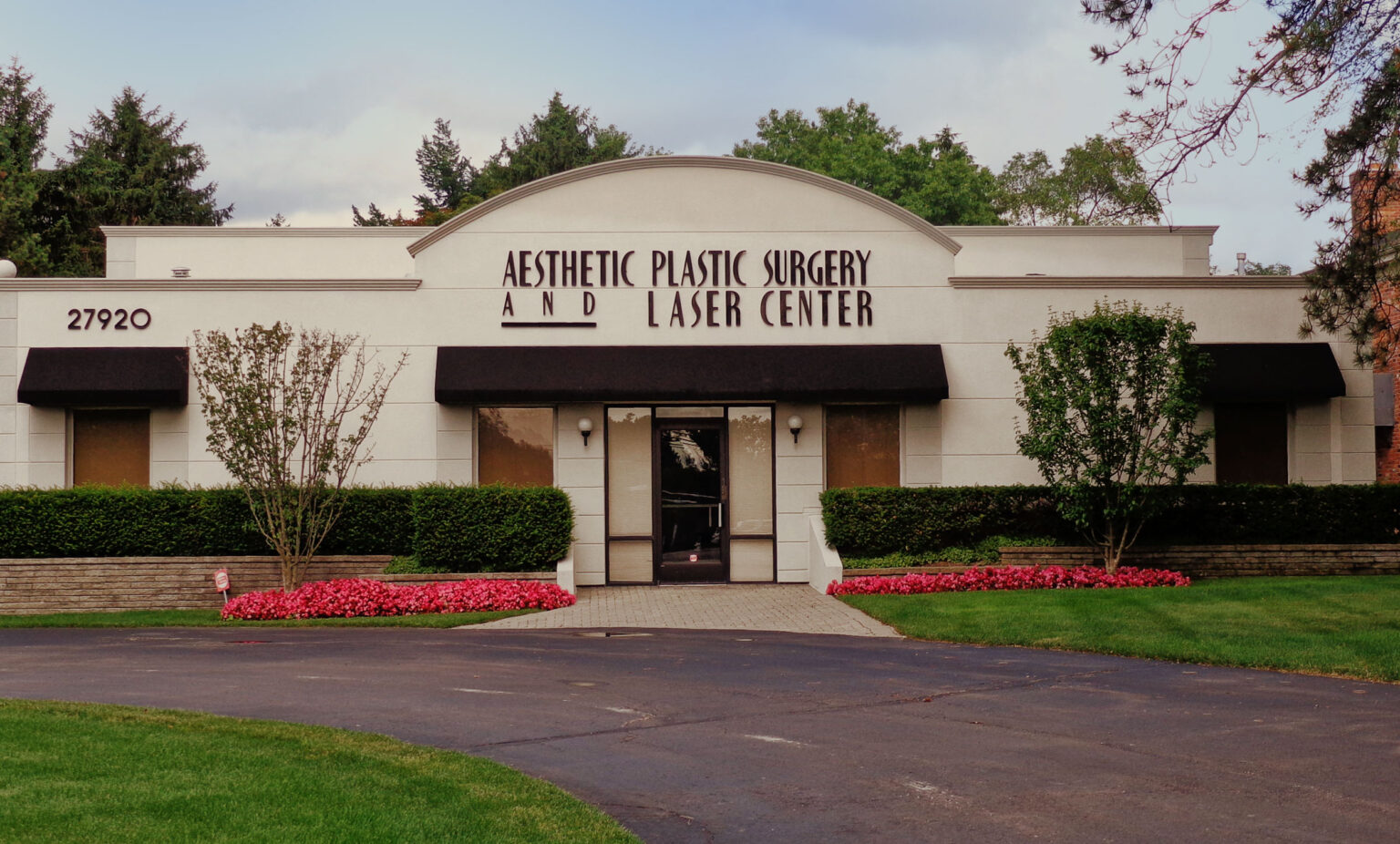
Aesthetic Plastic Surgery & Laser Center, Michelle Hardaway M.D.
27920 Orchard Lake Rd, Farmington Hills, MI 48334, United States
+1 248-221-1957
FAQ About Liposuction Michigan
Is 55 too old for liposuction?
Age 55 alone does not determine suitability. A surgeon evaluates overall health, skin quality, healing risks, and realistic goals. A personal consultation is needed to assess candidacy and discuss alternatives.
What happens 10 years after liposuction?
Contour improvements can last, especially with stable weight. Aging, pregnancy, and weight changes can alter the appearance over time. Results vary, and liposuction does not prevent future body changes.
Can lipo get rid of an apron belly?
Liposuction reduces localized fat but does not remove hanging excess skin. An apron belly may require assessment for a skin-removal procedure instead of, or alongside, fat removal. A qualified plastic surgeon can explain appropriate options and their risks.